Our Vision
A self-sustaining farm which involves and benefits the Mattocks beneficiaries and local surrounding communities.
Our Mission
To be good stewards of the land, promote culturally and environmentally sensitive, and financially sustainable practices, to serve and educate family and community members, while honoring the cultural and historical wisdom of our ancestors.
Conservation
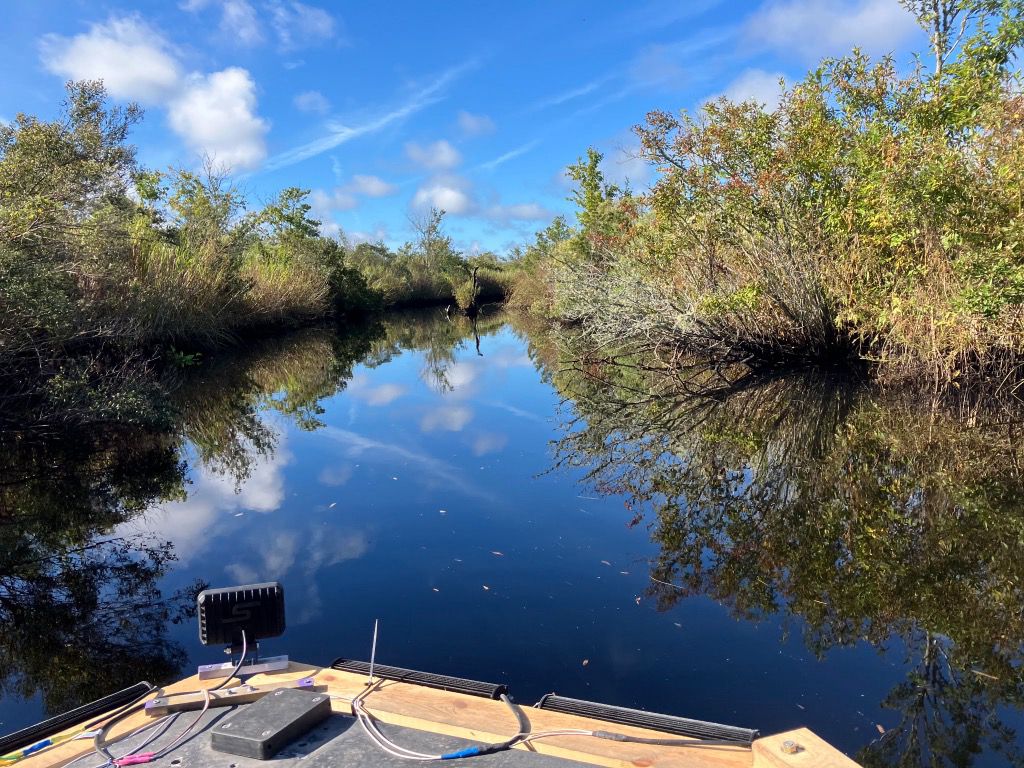
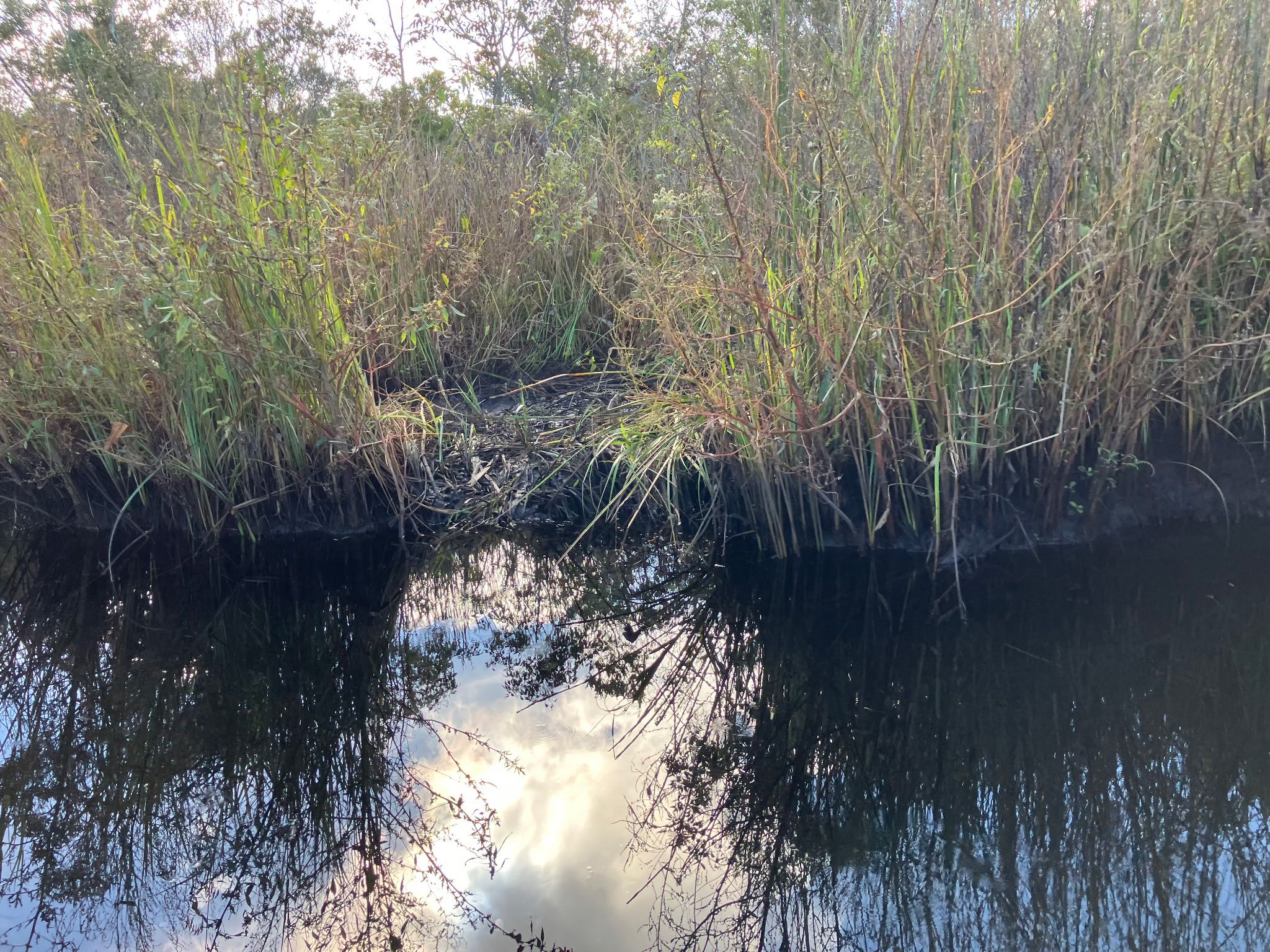
Of the farm's 615 total acres, 512 acres consist of riverfront marsh and wetland - among the most ecologically significant landscapes in Onslow County. Our land borders the White Oak River - known to the Algonquin people as Wee Toc, meaning White Oak - for nearly two miles, directly across from Croatan National Forest, one of the largest wetland and wildlife parks in the country.
The White Oak River Basin originally encompassed 458,297 acres of wetland. As of 2007, 60% of those wetlands remain nearly intact - a testament to sustained stewardship by generations of people who understood that land is a living thing. We are committed to being part of that story.
Riverfront marsh & wetland - a priority for environmentally sound conservation
54 acres longleaf & loblolly pine plus 3 acres cypress - a living investment in the land
Active in the Conservation Stewardship Program (CSP) and EQIP through USDA NRCS
The Algonquin people were the original stewards of this land - and we honor that tradition. In 2024, the farm was designated a model farm by the National Wildlife Federation and the Longleaf Alliance, and received a trail development grant to build the Wildlife Trail through our wetlands. The family partners with USDA Natural Resources Conservation Service, the Longleaf Alliance, Soil and Water Conservation, and Cooperative Extension to manage every acre in an environmentally sound and financially sustainable manner.
In 2025, the farm's longleaf pine unit was harvested, then burned and replanted in longleaf in early 2026 - completing a full management cycle and seeding the next generation of forest. This work was carried out in partnership with forester Ashley Faircloth of Pine State Forestry and supported through USDA NRCS programs. The land also supports natural stands of loblolly pine, bottomland hardwoods, and cypress - each playing its role in the broader ecosystem.